Case Study: scale up
This case study focuses on scale up's strategic entry into the Swiss market. Despite having success and a competent team in Germany, scale up was relatively unknown in Switzerland.
To address this, they adopted a value-first approach, utilizing strategic lead research, value-packed email campaigns, and the innovative scale up Score to establish initial contact with their target audience. This marks the beginning of their journey in Switzerland, emphasizing delivering value to build a strong foundation for growth and market engagement.
About scale up
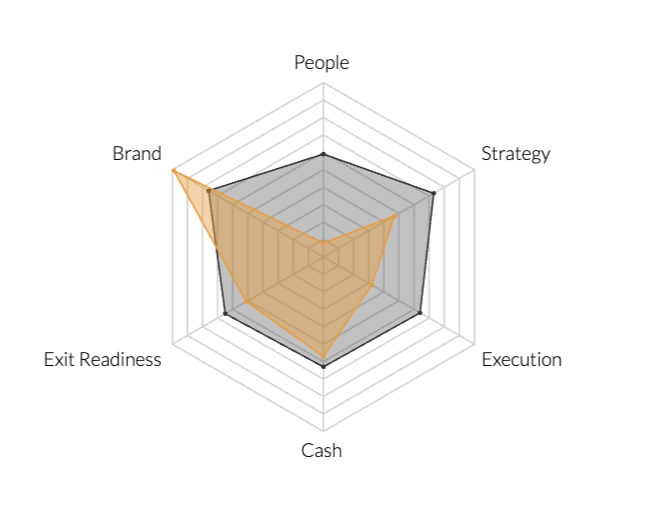
Led by Nikolai Ladanyi, scale up offers a unique coaching approach, specializing in guiding management teams. Their method emphasizes adapting the right tools for company growth, focusing on areas like people, strategy, execution, and cash.
The team, comprising experienced founders, investors, and entrepreneurs, dedicates their expertise to assisting startups and SMEs in scaling their operations. Despite their rich backgrounds, scale up's presence in Switzerland was initially minimal, prompting a strategy focused on demonstrating value to the market.


Challenges
scale up's successful track record in Germany contrasted with their initial obscurity in the Swiss market, where they encountered cultural barriers. Recognizing the need for a go-to-market strategy tailored to Swiss sensibilities, scale up engaged Beat Wyss, a Swiss coach with deep local market insights, to lead their expansion efforts.
Solution
Cotide's strategy for scale up entails the following key areas to optimize his lead generation and brand positioning:
-
Strategic Lead Research
Goal: identifying potential leads that align with scale up's ideal client profile in the Swiss market, ensuring targeted and efficient outreach. -
Outbound Email Campaign
Goal: Engaging leads with value-packed emails, showcasing scale up's expertise and insights. -
Scale up Score
Goal: Positioning scale up as a thought leader in scaling and value growth through a survey tool offering actionable insights and personalised score. -
Lead Scoring
Goal: Assessing survey participants' engagement and readiness to interact with scale up's services for effective follow-up.
The dimensions covered by the Scale up Score:
Implementation Process
The strategy for helping scale up start conversations with their target audience in Switzerland was implemented through a series of carefully planned and executed steps:
-
Initial Workshops and Survey Development:
Two 90-minute workshops were conducted to understand scale up's business objectives and target market, leading to the development of the scale up Score. -
Strategic Lead Research:
Over 3000 potential leads were identified, matching scale up's ideal client profile. -
Email Campaign Design and Launch:
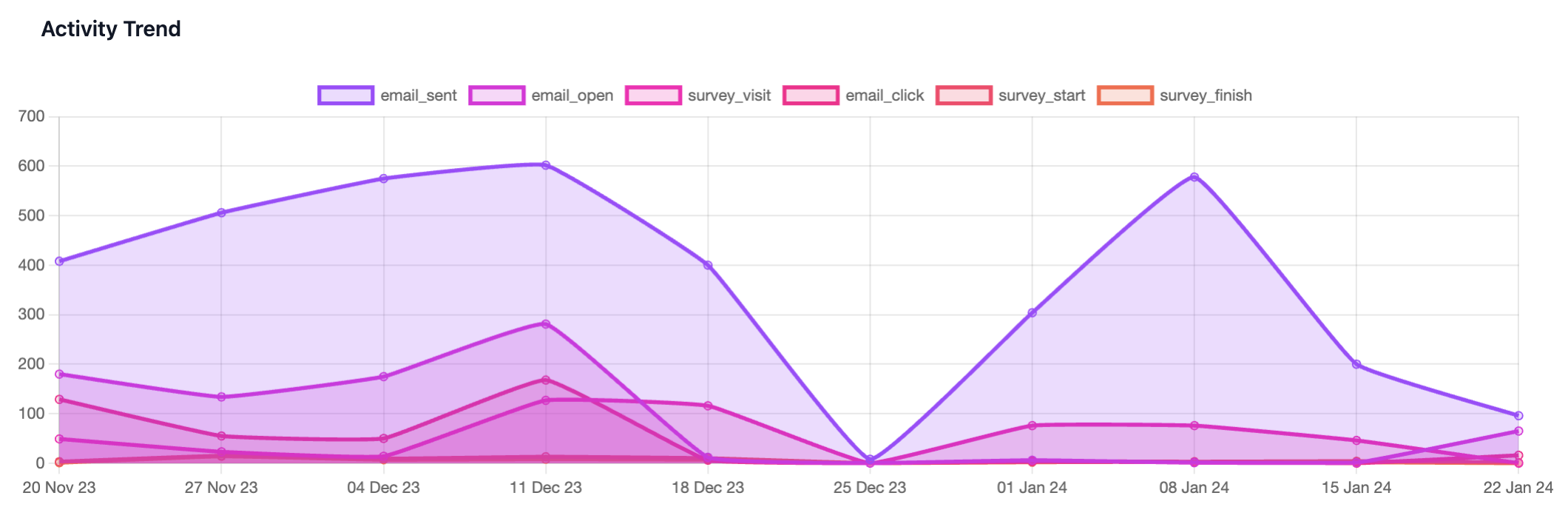
Launched two series of emails, sharing valuable content and gradually introducing the survey for additional engagement.
Results for the period August to December 2023
- Surveys started: 940, with a 9% completion rate
- Lead Nurturing: The ongoing email campaign and survey reports continue to nurture these leads, providing ongoing value and building relationships.
- Brand Positioning: scale up is steadily positioning itself as a knowledgeable entity in the Swiss entrepreneurial landscape.
Takeaway
scale up's entry into the Swiss market, characterized by a value-first approach, demonstrates the effectiveness of targeted lead generation and content-driven strategies in creating meaningful market engagement. The forthcoming report from their comprehensive survey will be crucial in nurturing contacts with insightful content, showcasing scale up's commitment to delivering value and relevance.
Learn more
Looking to engage effectively with a new market or enhance your lead nurturing strategies? Contact us to explore how our tailored solutions can support your business goals.
Share this

How Market Awareness Fuels the Sales Pipeline

Identifying The Most Relevant Leads from a Large Database